

New Research Highlights Growing Screen Time Challenge for Pre-School Children as Somerset Partnership Calls for Practical Support
A new joint initiative between Family Adventures Group and Sidcot School is drawing attention to the growing challenge of screen use among pre-school children, following new research that highlights the gap between parental intentions and everyday reality.
The findings come as the UK Government publishes its first evidence-based guidance on screen use for young children, recommending limits of one hour per day for under-fives and advising that children under two should not be exposed to screens alone.
The Somerset-based partnership surveyed more than 1,000 parents across the South West to better understand how families are navigating screen use in early childhood.
The results point to a clear and consistent pattern. While 60% of parents believe children should not be introduced to screens until between the ages of two and four, in practice 68% of children are exposed to screens before the age of two.
The research also highlights the pressures driving this behaviour.
- 72% of parents say they rely on screens to “get things done”
- 58% use them to calm or distract during difficult moments
- 64% struggle to find low-cost, offline activities during school holidays
When asked what makes offline play most challenging, families cited practical barriers rather than lack of interest, including juggling work and household responsibilities, the impact of weather, and concerns about children losing interest without digital stimulation.
Together, the findings reflect a wider national picture, with government data indicating that almost all children are regularly exposed to screens by the age of two.
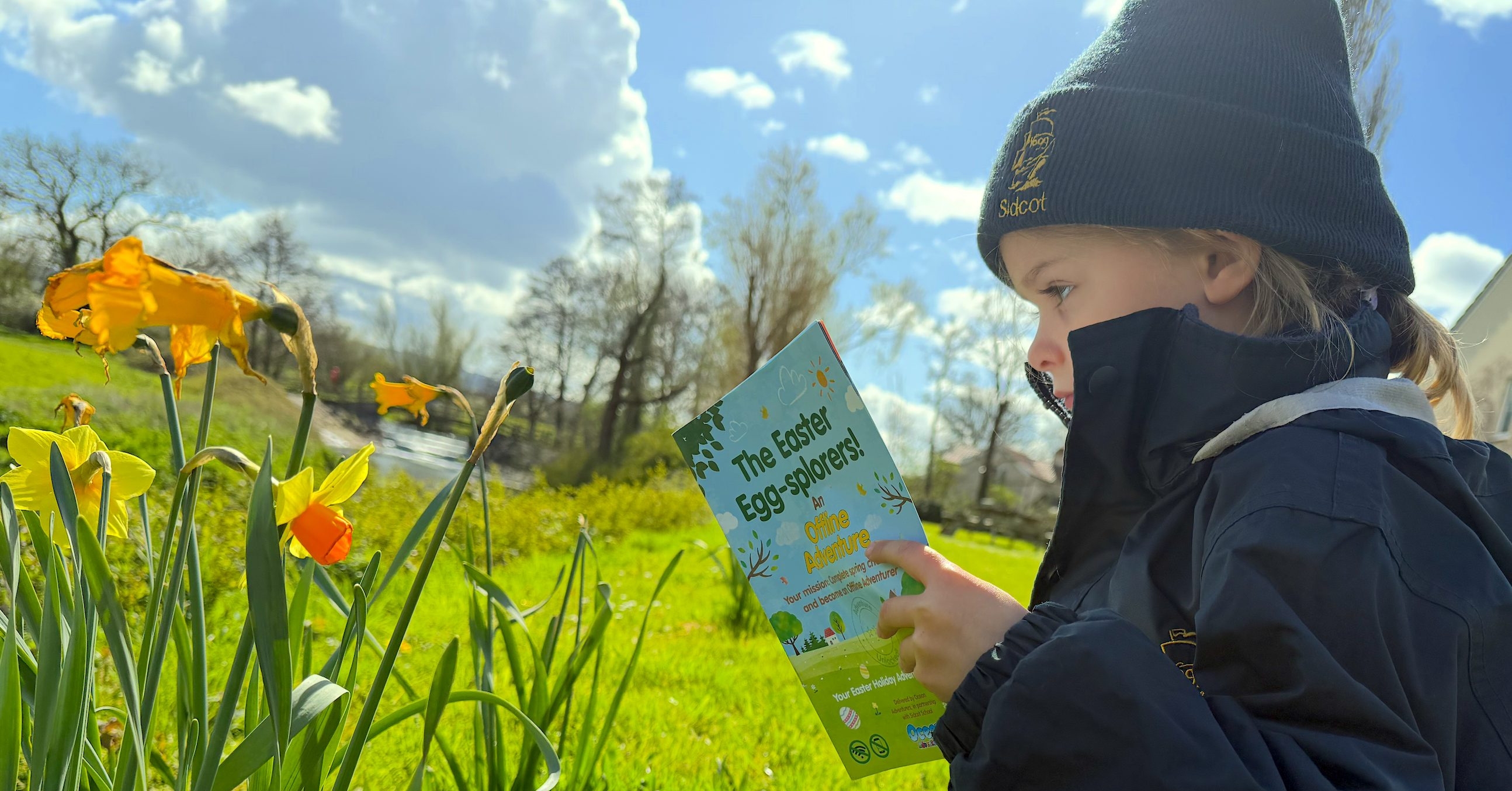
In response, Ocean Adventurers in Cheddar, part of Family Adventures Group’s network of award-winning nurseries, soft play centre, and early years settings, partnered with Sidcot School to launch the Offline Adventure, a free, screen-free activity pack designed to support families in rebalancing screen time in a realistic and accessible way.
The initiative is intentionally positioned as supportive rather than prescriptive, recognising the complex realities facing modern families.
“Parents tell us they want practical help, not pressure,” said Laura Filer, CMO and Co-Founder of Family Adventures Group.
“Even a few minutes of offline play can make a noticeable difference. The Offline Adventure is about making those moments feel easy, joyful and completely achievable, even on the busiest days to support parents during school holidays,” she added.
Early engagement with the programme has been significant. More than 3,000 printed packs have been distributed, alongside over 1,300 digital downloads, with strong levels of participation and feedback across the community.
Based on usage estimates, the initiative has supported between 2,100 and 6,500 hours of potential screen-free activity time.
Sidcot School’s involvement ensures the initiative remains firmly rooted in educational wellbeing and values-led child development.
The school has also been actively supporting the Smartphone Free Childhood movement, encouraging families to delay access to smartphones until at least age 16.
“At Sidcot, we believe children thrive when they are active, curious, and connected,” Said Cath Dykes, Head of Sidcot Junior School.
“The Ocean Offline Adventure gives families a joyful, practical way to encourage those qualities without guilt, pressure or unrealistic expectations.”
The government’s new guidance reinforces this approach, highlighting that not all screen use is equal and that shared, engaged use with adults is more beneficial than passive consumption.
It also encourages ‘screen swaps’, such as reading, conversation and simple play, and stresses the importance of adult behaviour in shaping children’s habits.
Family Adventures Group said the Offline Adventure forms part of a wider programme of work across its nursery settings aimed at supporting healthy development in the early years, while Sidcot School emphasised the importance of education and community engagement in addressing the issue.
Together, the partnership offers a constructive and forward-looking response to one of the most pressing challenges facing families today – reframing the conversation away from restriction and towards balance.
Rather than asking how to remove screens entirely, the initiative instead focuses on a more practical question: how to create more opportunities for curiosity, calm and connection alongside them.
Further phases of the Offline Adventure programme are expected to be rolled out later this year as the partnership continues to develop its response to what is increasingly recognised as a key issue in early childhood development.
You can download the Easter Offline Adventure for FREE:Click here